

Currently Empty: ر.ق 0,00


IELTS
اختبار تدريب القراءة (الأكاديمي) اللآيلتس 9: علم الشفاء.
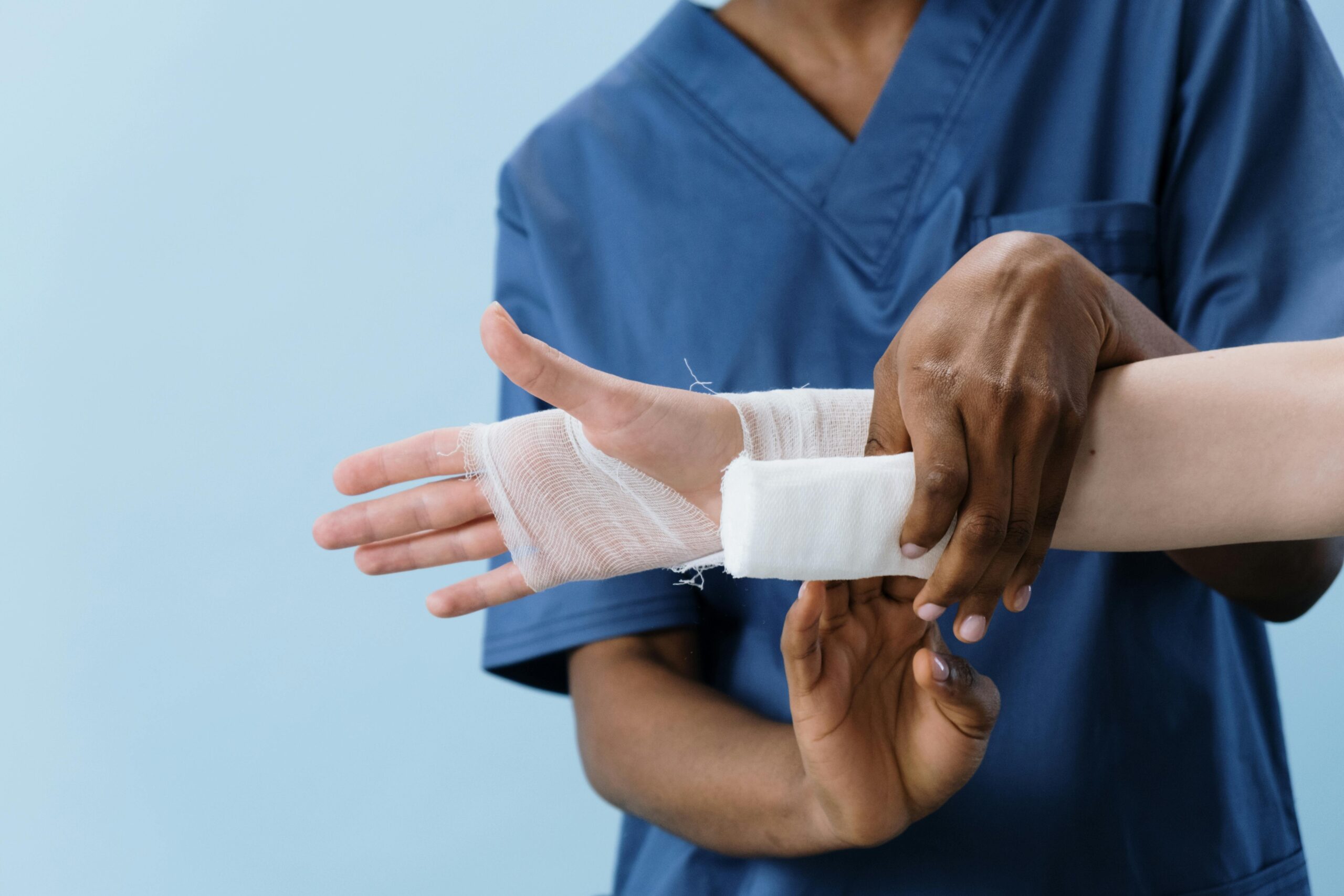
اختبار تدريب القراءة (الأكاديمي) الآيلتس 9.
وقت القراءة والتدريب: 25 دقيقة
بناء الثقة من خلال تدريب القراءة الأكاديمية لاختبار الآيلتس
يبدأ النجاح في امتحان اللآيلتس بالتفاني والاتساق، ولا توجد عادات أكثر تأثيرًا من تدريب القراءة الأكاديمية المنتظمة. فكل جلسة من جلسات التدريب الأكاديمي للقراءة لا تُنمّي الفهم والسرعة فحسب، بل تعزز أيضًا الثقة عند مواجهة النصوص الأكاديمية الصعبة.
من خلال تحويل تدريب القراءة الأكاديمية إلى روتين يومي، يحوّل المتعلمون عدم اليقين إلى إتقان، ويُعدّون أنفسهم للتعامل مع الاختبار بوضوح وتركيز وتصميم.
للاستفادة القصوى من كل جلسة، ينبغي للمتعلمين تحديد أهداف واضحة وقابلة للتحقيق لرحلة القراءة الخاصة بهم. فكل هدف سواء كان تحسين مهارات القراءة السريعة (Scanning)، أو الإجابة على الأسئلة بدقة أكبر، أو إنهاء المقطع ضمن المهلة الزمنية المحددة يخلق إحساسًا بالغاية والتقدّم.
ويُعد تتبّع التقدّم مع مرور الوقت أداةً لتحويل تدريب الآيلنس من مهمة روتينية إلى مسار مُلهِم للنمو. فمع قراءة كل صفحة وإتقان كل سؤال، يقترب المرشحون خطوة إضافية من الدرجة التي يستحقونها حقًا.
آن الأوان لتطبيق مهاراتك على أرض الواقع. اقرأ بعناية المقطع الأكاديمي التالي المتعلّق بالجروح والإصابات، ثم أجب عن الأسئلة اللاحقة بثقة واهتمام.
Healing Through Time: The Evolving Understanding of Wounds and Injuries
Paragraph A
Throughout human history, wounds and injuries have been among the most common and dangerous threats to survival. From primitive bandages made of leaves to modern surgical techniques that rely on advanced biotechnology, physicians have long sought to understand the complex process of how the body repairs itself. Recent scientific discoveries have shed new light on the remarkable mechanisms of healing, as well as on how lifestyle, environment, and technology influence the recovery process
Paragraph B
The earliest recorded attempts at wound treatment date back over 4,000 years. Ancient Egyptian physicians used honey, animal fat, and lint to treat open cuts and burns. Honey, now known to contain natural antibacterial properties, prevented infection long before the discovery of microorganisms. Similarly, the Greek physician Hippocrates described the use of vinegar and wine to cleanse wounds, an early recognition of the importance of preventing infection. These treatments may seem primitive by modern standards, yet many of their principles remain scientifically valid. Preventing bacterial contamination and maintaining a clean environment are still cornerstones of wound care today
Paragraph C
The understanding of wounds changed dramatically in the 19th century with the pioneering work of physicians such as Joseph Lister. Before Lister’s time, infections in hospitals were rampant, and even minor surgeries could lead to death from sepsis. In 1867, Lister introduced the use of carbolic acid to sterilize surgical instruments and dressings. His antiseptic methods reduced infection rates dramatically and transformed surgical practice worldwide. Lister’s research marked the beginning of modern aseptic techniques and established the idea that invisible microbes were the true enemies in wound management
Paragraph D
As medicine entered the 20th century, scientists began to uncover the intricate biological processes behind wound healing. They discovered that the body responds to injury through a series of carefully timed stages. First comes inflammation, during which immune cells rush to the wound site to destroy bacteria and clear damaged tissue. This is followed by the proliferation phase, when new cells begin to grow and repair the damaged area. Finally, the remodeling phase strengthens the newly formed tissue and restores its function. Understanding these stages has allowed physicians to develop treatments that assist, rather than interrupt, the body’s natural repair systems
Paragraph E
In recent decades, the study of wounds has extended beyond physical healing to include molecular and cellular mechanisms. Researchers have found that certain proteins, such as growth factors, play a vital role in stimulating cell division and tissue regeneration. This has led to the development of bioengineered skin substitutes and synthetic dressings that release healing compounds directly into the wound. These innovations have revolutionized the treatment of chronic wounds, such as diabetic ulcers, which were once extremely difficult to heal
Paragraph F
Equally fascinating are the findings related to how external factors influence healing. Studies show that psychological stress, poor nutrition, and lack of sleep can significantly delay wound closure. Conversely, proper diet, emotional well-being, and controlled exercise promote faster recovery. One groundbreaking experiment conducted by physicians at Ohio State University revealed that patients who practiced relaxation techniques healed up to 25% faster after surgery than those who did not. Such results highlight the deep connection between the mind and body—a link that medical science is only beginning to understand in full
Paragraph G
Advancements in imaging technology have also enabled physicians to observe wound healing in real time. Using high-resolution microscopes and 3D imaging, scientists can now watch cells migrate, divide, and interact as a wound closes. These observations have led to a deeper understanding of why some injuries heal cleanly while others lead to excessive scarring or chronic inflammation. In addition, genetic studies are identifying variations that explain why certain individuals recover more efficiently than others. This new era of personalized medicine could allow doctors to tailor treatments to each patient’s biological makeup, maximizing healing potential
Paragraph H
The field of regenerative medicine offers perhaps the most exciting promise for the future. Physicians and biologists are now experimenting with stem cells—undifferentiated cells capable of developing into various tissue types—to accelerate the repair of wounds and burns. Early clinical trials have shown encouraging results, particularly for patients with severe injuries who previously had limited treatment options. Combined with 3D printing technologies, researchers are even exploring the possibility of creating custom skin grafts that match a patient’s own tissue
Paragraph I
Despite these remarkable advances, challenges remain. The rise of antibiotic-resistant bacteria threatens to reverse some of the progress made since Lister’s time. Chronic conditions such as diabetes and vascular disease continue to complicate wound healing in millions of patients worldwide. Nevertheless, the journey from ancient remedies to modern biotechnology illustrates an extraordinary evolution in medical understanding. Each new discovery brings physicians closer to mastering the body’s most fundamental survival skill—the ability to heal itself
Paragraph J
In the end, the story of wound healing is not only a scientific one but also a deeply human one. It reflects our persistent effort to transform pain into recovery, damage into renewal, and vulnerability into strength. From the dusty bandages of ancient Egypt to the molecular laboratories of today, the study of wounds continues to remind us how far medicine has come—and how much more it can still achieve
اختبار تدريب القراءة (الأكاديمي) الآيلتس 9.
الأسئلة 1 – 5: صحيح / خطأ / غير وارد في النص
اكتب . . .
صحيح إذا كان البيان يتفق مع المعلومات
خطأ إذا كان يناقضه
غير وارد في النص إذا لم تكن هناك معلومات
.Ancient Egyptians used honey mainly to make wounds smell better
.Joseph Lister was the first physician to connect infections with microorganisms
.The body repairs wounds through three major stages of healing
.Emotional stress has no measurable effect on the speed of recovery
.The passage claims that stem cells can transform into different types of body tissue
الأسئلة 6 – 10: أسئلة الاختيارات المتعددة
اختر الحرف الصحيح A، B، C، أو D.
What was the main contribution of Joseph Lister to medicine
A. He invented the first microscope
B. He developed antiseptic surgical methods
C. He discovered antibiotics
D. He explained the stages of inflammation
According to the passage, which of the following can delay wound healing
A. A balanced diet
B. Sufficient rest
C. Constant psychological stress
D. Gentle exercise
Which statement best describes the focus of modern wound research
A. Testing new surgical tools
B. Studying the cellular and molecular processes of healing
C. Discovering ancient herbal treatments
D. Observing bacteria under microscopes
What technological development allows scientists to view wound healing in real time
A. Artificial intelligence systems
B. 3D imaging and high-resolution microscopy
C. Robotic surgery
D. Virtual reality simulators
What challenge is mentioned as a threat to future wound care
A. A decline in medical education
B. Reduced hospital funding
C. The rise of antibiotic-resistant bacteria
D. The overuse of antiseptics
الأسئلة 11 – 15: مطابقة المعلومات
قم بمطابقة كل عبارة 11–15 مع الفقرة الصحيحة A–G من المقطع.
Describes the use of natural substances in ancient wound treatments
Mentions a famous physician who revolutionized surgery through antiseptic practice
Explains how lifestyle and mental state affect the recovery process
Discusses how technological innovations allow observation of the healing process
Refers to potential future treatments using stem cells and 3D printing
ختاماً
إن إكمال المقطع الخاص بالجروح والإصابات هو أكثر من مجرد تمرين في اختبار الآيلتس للقراءة ، فهو خطوة إلى الأمام في إتقان فن القراءة المركزة.
إن الإجابة على كل سؤال تعزز قدرتك على تحديد الأفكار الرئيسية، وتفسير الأدلة، والتفكير النقدي تحت ضغط الوقت. تذكر أن كل تمرين من التدريب الأكاديمي على القراءة في اختبار الآيلتس يقربك من فهم النصوص المعقدة و من فهم تقدمك كمتعلم أيضا.
استمر في القراءة، واستمر في تحدي نفسك، ودع كل مقطع تكمله يقربك خطوة واحدة من نجاحك في اختبار الآيلتس.