

Currently Empty: ر.ق 0,00


IELTS Listening
IELTS Listening – Practice Test 5 – Africa’s Declining Wildlife
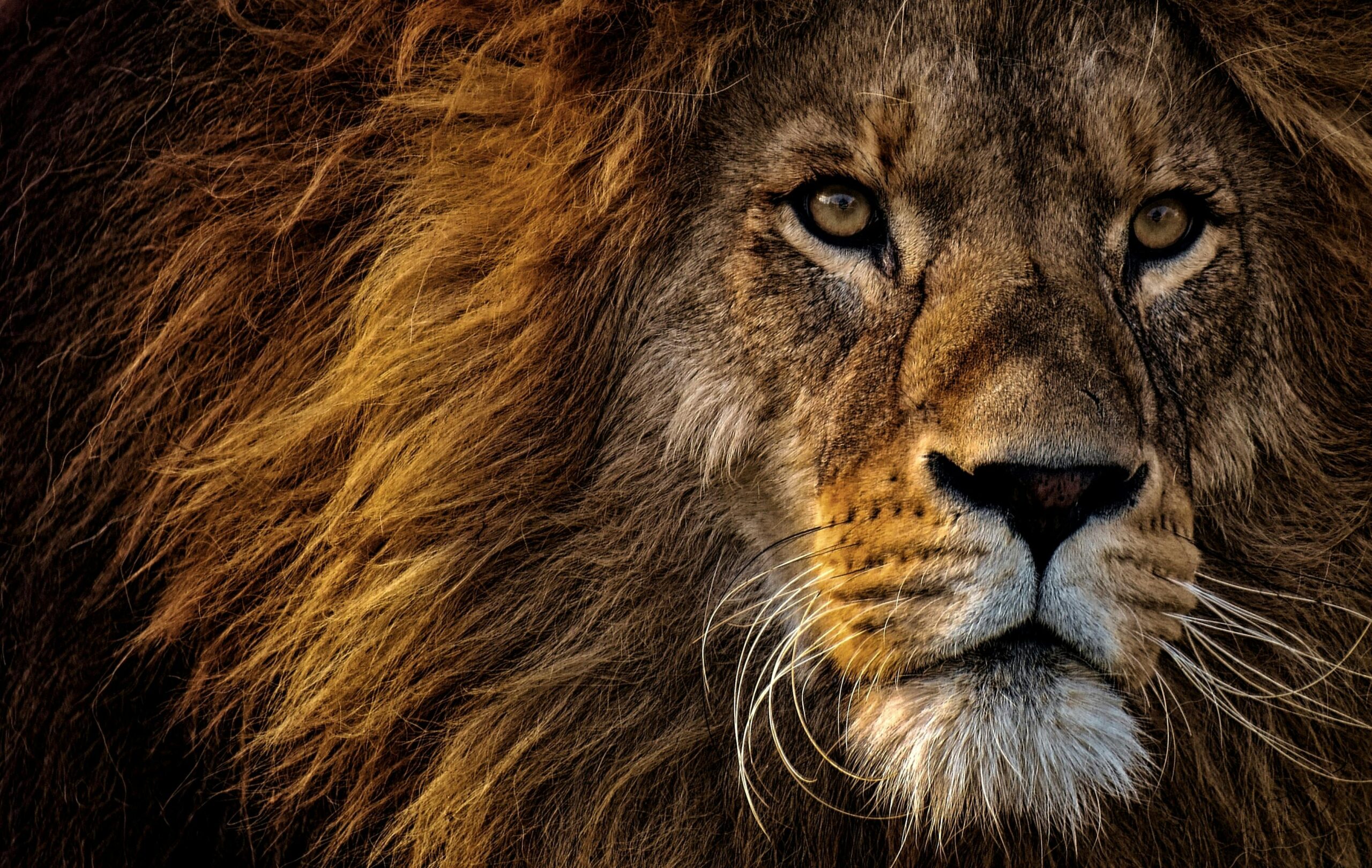
IELTS Listening – Practice Test 5 – Declining Wildlife Diversity in Africa
Take a Listen!
Reading and Practice Time: 15 Minutes
What makes the IELTS listening part 4 different?
Part 4 stands out from its counterparts, Parts 1, 2, and 3. While the overall goal of each part is to assess a test-taker’s ability to understand and interpret spoken English, Part 4 presents distinct challenges and features that set it apart from the others. This section focuses on an academic context and invites candidates to engage with a more complex and in-depth audio piece. In this paragraph, we’ll explore the unique characteristics that differentiate Part 4 and outline strategies to navigate this section successfully.
Part 4 of the IELTS listening section differs from Parts 1, 2, and 3 in several key aspects:
- Length and Difficulty: Part 4 is typically the longest section of the listening test and features a more challenging audio piece than the previous sections. The audio may involve an academic lecture or a presentation that includes complex ideas and vocabulary.
- Focus on Academic Context: Unlike Parts 1 and 2, which revolve around everyday social interactions, Part 4 emphasizes academic contexts, requiring test-takers to comprehend detailed information and follow complex arguments.
- Variety of Speaker Accents: The audio piece in Part 4 may include speakers with diverse accents, adding another layer of complexity. Test-takers must adapt to these variations in pronunciation and intonation to accurately understand the content.
- More Complex Question Types: While Parts 1 and 2 primarily feature gap-fill and multiple-choice questions, Part 4 may introduce more challenging tasks, such as classification or matching questions.
- Increased Number of Distractors: Part 4 questions often include more distractors—incorrect or irrelevant information—to test a candidate’s ability to filter out unnecessary details and focus on the key points discussed.
↓↓↓ Test Audio Only ↓↓↓
IELTS Listening – Practice Test 5
Declining Wildlife Diversity in Africa
Questions 1 – 7
You will hear a zoologist, a professor who studies animals, speak about the worsening conditions of wildlife in Africa and the actions taken to address them.
Listen carefully and answer questions 1 – 7 below using no more than TWO words.
- Factors such as habitat loss, and _____ change have led to a significant reduction in biodiversity across Africa.
- The destruction of forests and savanna habitats due to human activities has led to a(n) _____ in African elephant population.
- _____, or illegal hunting, is another major driver of the decline in African wildlife diversity.
- Global warming has led to _____ rainfall patterns, affecting the availability of food and water sources for various species.
- The African Wildlife Foundation is partnering with _____ communities to create sustainable livelihoods.
- _____ initiatives promote conservation while providing economic benefits for local communities.
- The decline in wildlife diversity in Africa is a(n) _____ issue driven by various factors.
In Conclusion
Enhancing one’s listening comprehension skills is key to achieving better results in IELTS Listening Part 4. This section primarily features academic lectures or discussions. One effective strategy to improve these skills is by regularly listening to or watching science programs and documentaries. These resources expose individuals to a range of academic vocabulary, concepts, and speech patterns that are relevant to the types of content found in IELTS Listening Part 4. Additionally, engaging with science programs and documentaries helps candidates become more familiar with diverse accents and speaking styles, further sharpening their listening abilities. By consistently utilizing such materials as part of their preparation, candidates can enhance their overall performance in the IELTS listening section, particularly in Part 4.
You May Also Like:
IELTS Listening – Practice Test 3 – Modern Farming Methods
IELTS Listening – Practice Test 4 – Nature vs. Nurture
IELTS Listening Answer Sheet:
Download!
IELTS Listening – Practice Test 5 Audio Script
Professor: Good morning, everyone. Today, we’re going to discuss the alarming decline in wildlife diversity in Africa. We’ll cover some of the reasons behind this decline and explore the efforts being made to counteract it.
As you all know, Africa is home to a vast array of unique wildlife, including elephants, lions, rhinos, and many others. However, factors such as habitat loss, poaching, and climate change have led to a significant reduction in biodiversity across the continent.
Habitat Loss
One of the primary factors contributing to the decline in wildlife diversity is habitat loss. As human populations across Africa continue to grow, the demand for land to cultivate crops, build infrastructure, and establish settlements increases. This often leads to the clearing of forests, conversion of grasslands, and overall destruction of natural habitats that are vital for the survival of various species.
For example, the African elephant, a keystone species in many ecosystems, has been significantly impacted by habitat loss. The destruction of their forest and savanna habitats due to human activities has led to a decrease in their population, along with the disruption of ecological processes that rely on their presence.
Additionally, habitat loss also forces animals to live in closer proximity to human populations, resulting in increased human-wildlife conflicts. This further endangers the already vulnerable species and exacerbates the decline in wildlife diversity.
Poaching
Illegal hunting, or poaching, is another major driver of the decline in African wildlife diversity. Animals such as elephants and rhinos are often targeted for their valuable ivory and horn, respectively. These items are then sold on the black market, driving the demand for more poaching activities.
In recent years, poaching has become increasingly sophisticated, with poachers using advanced weaponry and tactics to evade detection. This has had devastating consequences for many species, with some, like the black rhino, now on the brink of extinction.
In addition, the loss of key species like elephants and rhinos can have cascading effects on ecosystems, as these animals play crucial roles in shaping the landscape and maintaining ecological balance.
Climate Change
Climate change is yet another significant threat to Africa’s wildlife diversity. Rising temperatures, changing rainfall patterns, and extreme weather events have adverse effects on ecosystems and the species that inhabit them.
Increased drought, for example, reduces the availability of food and water sources for various species, impacting their survival and reproductive success. Additionally, temperature changes can disrupt migratory patterns and alter the distribution of certain species, further contributing to the decline in wildlife diversity.
Furthermore, climate change indirectly exacerbates the effects of other factors like habitat loss and poaching. For instance, as human populations are forced to migrate or adapt due to climate-induced changes, this can lead to increased pressure on natural habitats and wildlife.
Efforts to Counteract Wildlife Decline
Thankfully, numerous organizations are working to protect Africa’s wildlife diversity through various initiatives. These include establishing protected areas, enforcing stricter laws against poaching, and supporting sustainable development.
For example, the African Wildlife Foundation is partnering with local communities to create sustainable livelihoods. Jobs that don’t rely on poaching or habitat destruction. In addition, ecotourism initiatives promote conservation while providing economic benefits for local communities.
To sum up, the decline in wildlife diversity in Africa is a critical issue driven by factors such as habitat loss, poaching, and climate change. While the situation is dire, concerted efforts are being made to preserve and protect the continent’s unique biodiversity.
IELTS Listening – Practice Test 5 Answer Key
- Climate
- Decrease
- Poaching
- Changing
- Local
- Ecotourism
- Critical