

Currently Empty: ر.ق 0,00


IELTS Writing Task 1 GT
Formal or Informal English in IELTS Writing Task 1 General?
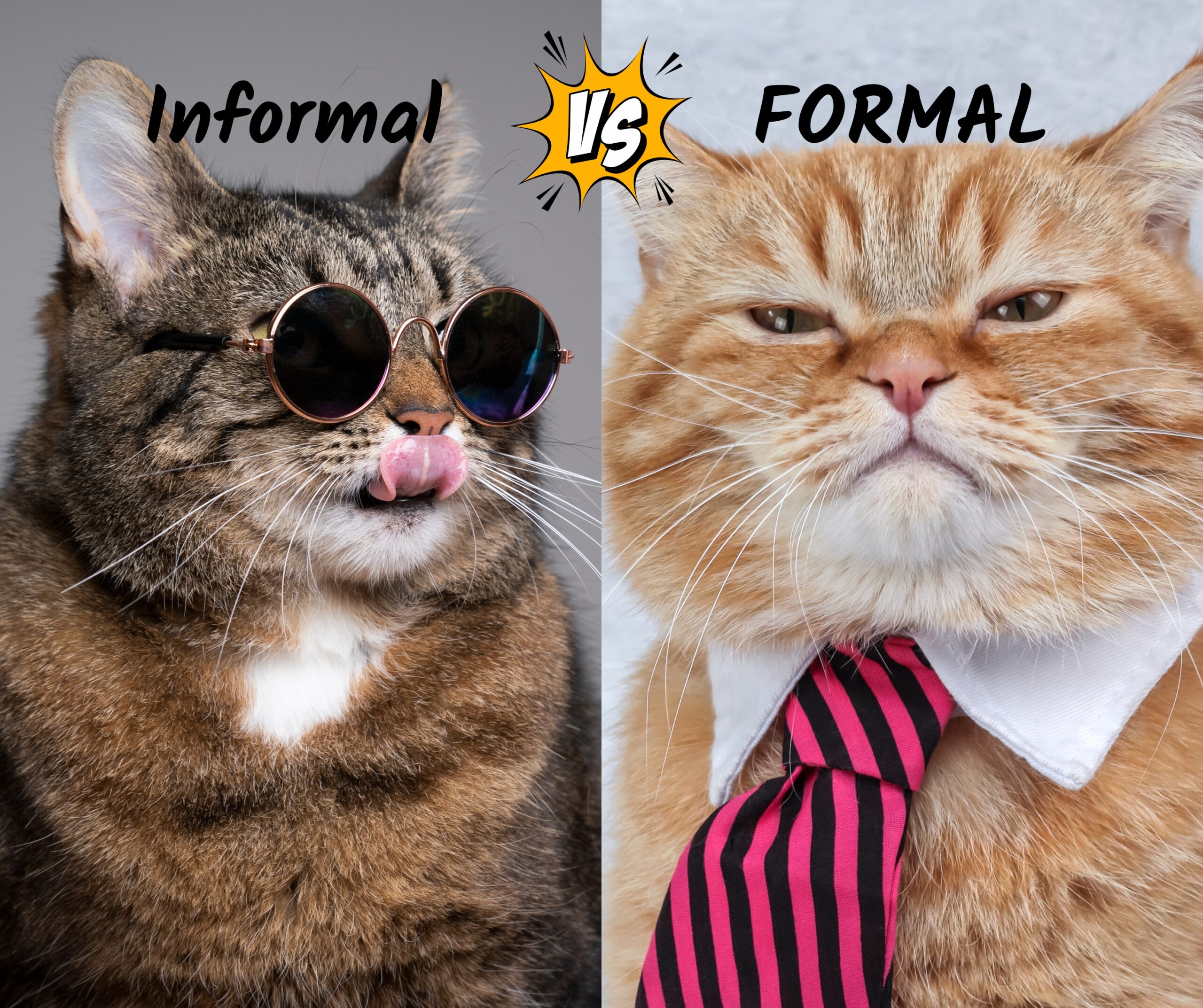
Should you Use Formal or Informal English in IELTS Writing Task 1 General?
Take a Listen!
Reading Time: 10 Minutes
The answer is simple. It all depends on who the letter is for. Informal for friends and family. Formal for people you don’t know or with authority.
Understanding the difference between formal and informal English is crucial when writing a Task 1 General Training letter for IELTS, as the style and tone you use can significantly impact your score. Depending on the letter’s purpose and recipient, you need to adapt your language to demonstrate a range of vocabulary and grammatical structures. Here’s a breakdown of the importance of distinguishing between formal and informal English, along with examples:
Formal English
Formal English is generally used for professional or academic purposes and when addressing someone with authority or a higher social status. It is characterized by proper grammar, a neutral tone, and the use of sophisticated vocabulary.
Example (invitation letter to a lecturer):
“Dear Dr. Smith,
I am writing to extend an invitation for you to be the speaker at our upcoming academic conference…”
Informal English
Informal English is used in casual, everyday conversations and when writing to friends or family members. It is more relaxed, personal, and conversational, often involving the use of contractions (e.g. I’m, you’re, . . .), colloquial expressions (e.g. to tell you about . . .), and a friendly tone.
Example (Letter to a Friend):
“Hey Sam!
How’s it going? I’m really excited to tell you about this awesome new restaurant I discovered in town last week…”
Formal vs. Informal Language
- Greetings: In formal letters, use “Dear Sir/Madam” or “To whom it may concern” if you don’t know the recipient’s name. For informal letters, greetings can be casual, like “Hi” or “Hello.”
- Tone: Formal letters maintain a polite and respectful tone, while informal letters allow for a more relaxed and friendly style.
- Vocabulary: Formal language uses precise and sophisticated words, whereas informal language can include slang or colloquial expressions. For instance, a formal letter might use “inquire,” while an informal letter would use “ask.”
- Contractions: Contractions are generally avoided in formal letters, so use full forms like “cannot” instead of “can’t.” In informal letters, contractions are commonly used for a more conversational style.
- Closing: Formal letters usually end with “Yours sincerely” or “Sincerely,” followed by your name. Informal letters can close with expressions like “Take care” or “See you soon.”
Avoid these mistakes
Some common mistakes candidates make when choosing between formal and informal expressions in IELTS Writing Task 1 General Training include:
- Inappropriate Greetings and Closings:
- Using “Hey” or “Hi” to address a recipient in a formal letter, such as a job application or a complaint to a service provider.
- Closing a formal letter with phrases like “Take care” or “Catch you later,” instead of more appropriate formal expressions like “Sincerely” or “Yours faithfully.”
- Using Slang or Texting Abbreviations: Including informal, colloquial language or texting abbreviations in formal letters can be inappropriate. For example, using “ASAP” instead of “as soon as possible” or “lol” instead of expressing amusement in a more formal manner.
- Inconsistent Tone: Mixing formal and informal language within the same letter can create an inconsistent tone and confuse the reader. Candidates should choose a style that suits the purpose and recipient of the letter and maintain it throughout.
- Improper Use of Contractions: Using contractions in formal letters can give the impression of being too casual or unprofessional. It’s important to spell out words in full in formal contexts, such as using “cannot” instead of “can’t.”
- Incorrect Use of Idiomatic Expressions: Incorrectly using idioms or expressions that don’t fit the context can confuse the reader and affect the letter’s clarity.
- Addressing the Recipient Improperly: Not using the recipient’s proper title or name in a formal letter can be seen as disrespectful. For instance, addressing a recipient as “Mr. John Smith” instead of “Dear Mr. Smith” in a formal context.
By avoiding these mistakes and adjusting their language based on the recipient and purpose, candidates can ensure their IELTS General Training Task 1 letters are clear, appropriate, and effective.
In conclusion
Knowing the distinction between formal and informal English is essential for successfully completing Task 1 General Training letters. By using appropriate language, you can demonstrate your linguistic range and ability to adapt your writing style based on context.
Led by experienced instructors, classes at IFI provide a supportive learning environment, emphasizing individual growth and success. To ensure convenience and flexibility, we offer both online and offline courses, allowing candidates to learn at their own pace. Additionally, IFI provides practice materials, mock tests, and personalized feedback to help candidates identify their strengths and areas for improvement.
To explore our diverse range of IELTS courses and discover the perfect fit for your needs, click here.
You May Also Like:
IELTS Writing Task 2 – Sample Answer 1 (Opinion Essay)
20 Collocations to Make Your IELTS Writing Task 2 Shine (Part 1)